Researcher at Politecnico di Torino

Matteo Nurisso

Climate scientist and scientific software developer, evaluating kilometre-scale climate simulations for the Destination Earth project. Previously: magnetic reconnection and plasma astrophysics.

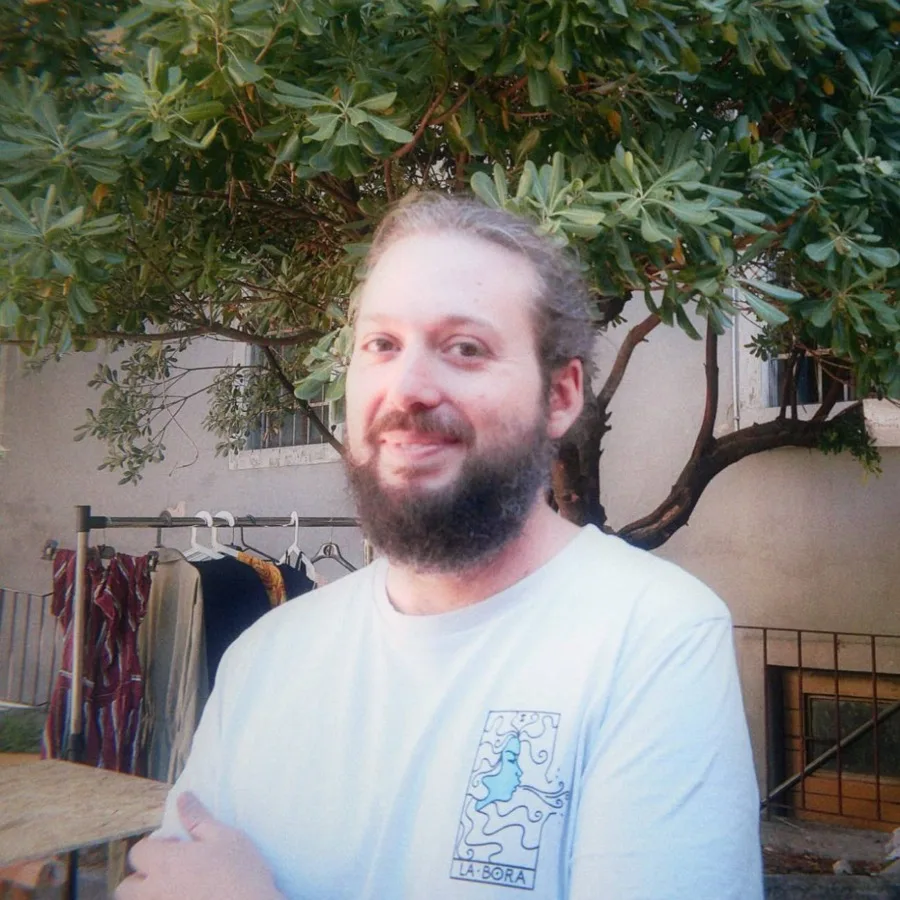
Portrait of Matteo Nurisso smiling in front of a tree
Trieste, Italy

About me

Welcome to my homepage

I'm Matteo Nurisso, a Researcher at Politecnico di Torino since December 2025. I hold a Ph.D. in Physics from SISSA (Trieste), and I work in the field of climate science.

I am part of the Destination Earth project, where I'm involved in the Climate Change Adaptation Digital Twin, analyzing high-resolution (5 km) climate models (IFS-NEMO, IFS-FESOM and ICON) and developing the framework and diagnostics for quality assessment of climate simulations (AQUA code).

I'm also involved in the PRIN project EPOCHAL, which aims to extend EC-Earth 4 for paleoclimate simulations.

Previously I worked on Computational Astrophysics, Plasma Physics, and Magnetohydrodynamics (MHD).

  • Climate modelling
  • Digital twins
  • Paleoclimate
  • EC-Earth
  • Python
  • HPC
  • MHD
  • Science communication
Papers
7
Commits on GitHub
5,651
Conferences
21

Scientific interests

Research

From plasma physics around black holes to the climate of the Earth — the common thread is large simulations, and making them trustworthy.

Currently I'm a Researcher at Politecnico di Torino since December 2025, working in Climate Science with the Climate Change Adaptation Digital Twin in the Destination Earth project and the EPOCHAL project for paleoclimate modeling.

AQUA code for the ClimateDT

The Application for QUality Assessment (AQUA) is a model evaluation framework designed for running diagnostics on high-resolution climate models, specifically for Climate DT climate simulations being part of Destination Earth activity. The package provides a flexible and efficient Python 3 framework to process and analyze large volumes of climate data. With its modular design, AQUA offers seamless integration of core functions and a wide range of diagnostic tools that can be run in parallel.

I am one of the main developers of AQUA, and I am responsible for the implementation of the core framework and the development of new diagnostics. The code is already public and available on GitHub or PyPI.

The code, as represented in the figure, is already part of the operational workflow of the ClimateDT. Its usage is not limited to the ClimateDT, but offers a flexible framework that can be used to run diagnostics on any climate model.

GitHub PyPI Paper More software

AQUA role in the ClimateDT workflow. Image from the DestinE-ECMWF website.

AQUA diagnostics

AQUA-diagnostics contains the full set of diagnostic tools developed for the Destination Earth Climate Change Adaptation Digital Twin (ClimateDT). It is designed to be used together with the AQUA core framework, which provides data access and preprocessing functionalities.

It includes the scientific tools configured as diagnostics to run for online monitoring of climate simulations. Diagnostics can be executed standalone via the Python API, or through the aqua analysis wrapper provided by AQUA core. I am a main contributor of the package.

GitHub Documentation Evaluation charts More details

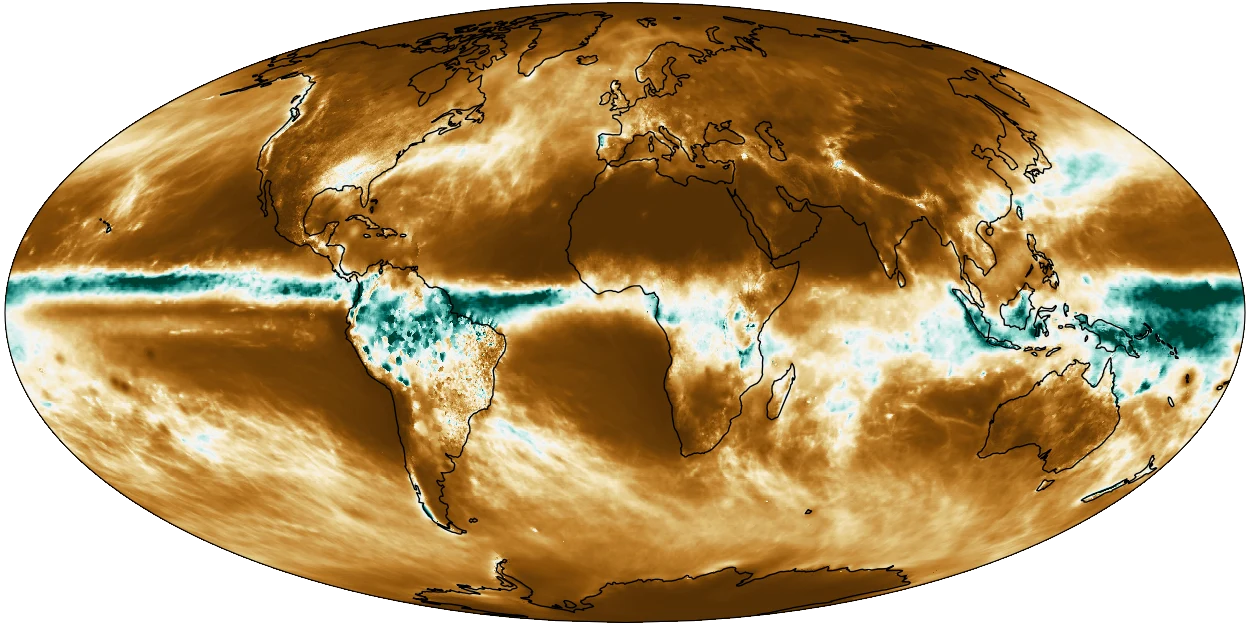
Global map of precipitation in a high-resolution climate simulation, with a strong tropical rain band shown in teal over brown dry regions.
Global precipitation field from a high-resolution climate simulation.

EPOCHAL

EPOCHAL (Earth system modeling of PaleOClimatic HyperthermALs) is a PRIN project that aims to study the paleoclimate with the use of Earth system models. In particular, I'm working on the implementation of lower resolutions in the EC-Earth4 model, in order to be able to run long simulations of the paleoclimate. This requires appropriate modifications of the boundary, initial, and forcing conditions.

The low resolution version of the model will give to the paleoclimatic community a valuable tool to run simulation with a well tested and validated model, that will guarantee a continuous support and development in the future.

EC-Earth consortium

Papers

Publications

  1. Under review2026

    Observation-based evaluation of the Destination Earth climate change adaptation digital twin simulations using OBSALL v1.0

    Järvinen, H., Räisänen, J., Tuppi, L., Bouvier, C., Sanchez-Benitez, A., Tyree, J., Toropainen, A., Davini, P., Doblas-Reyes, F., Jung, T., Klocke, D., Kontkanen, J., Milinski, S., Matteo Nurisso, Kesari Pradhan, H., and Sandu, I

    Geoscientific Model Development · under review

  2. Published2026-08-20

    AQUA v1.0.0: The Application for QUality Assessment for the Climate Change Adaptation Digital Twin – the core engine

    Matteo Nurisso, Silvia Caprioli, Paolo Davini, Jost von Hardenberg, Natalia Nazarova, Supriyo Ghosh, Paolo Ghinassi, Marco Cadau, Emanuele Tovazzi, Nikolay Koldunov, Maqsood Mubarak Rajput, Bruno Kinoshita

    Geoscientific Model Development · 2026-08-20

  3. Published2026-08-17

    Regional and weather-type modulation of global warming–driven intensification of Italian precipitation extremes from multi-year storyline simulations

    Marco Burderi; Salvatore Pascale; Cristina Iacomino; Federico Grazzini; Matteo Nurisso; Amal John; Sebastian Beyer; and Giuseppe Zappa

    Environmental Research Letters · 2026-08-17

  4. Published2026-05-10

    Global Kilometer-Scale Climate Storylines Using Spectral Nudging

    Amal John; et al.

    JAMES · 2026-05-10

  5. Published2026-04-14

    The Destination Earth digital twin for climate change adaptation

    Francisco J. Doblas-Reyes; et al.

    Geoscientific Model Development · 2026-04-14

  6. Published2026-02-18

    Particles acceleration with Magnetic Reconnection in large scale RMHD simulations: II. Particle Spectra

    Alessio Suriano; Matteo Nurisso; Annalisa Celotti; Andrea Mignone; Gianluigi Bodo

    Monthly Notices of the Royal Astronomical Society · 2026-02-18

  7. Published2023-05-08

    Particles acceleration with magnetic reconnection in large scale RMHD simulations: I. Current sheet identification and characterization

    Matteo Nurisso; Annalisa Celotti; Andrea Mignone; Gianluigi Bodo

    Monthly Notices of the Royal Astronomical Society · 2023-05-08

Astrophysics entries are legacy publications in the field of astrophysics, plasma physics, and magnetohydrodynamics (MHD).

Open source

Scientific software

Software is a big part of how I do science. Repository stats are fetched live from GitHub.

AQUA

Main developer

Application for QUality Assessment — a modular Python framework for running diagnostics on high-resolution climate models, part of the operational ClimateDT workflow.

    AQUA-diagnostics

    Main contributor

    The full set of diagnostic tools for online monitoring and evaluation of ClimateDT climate simulations.

      Climate-DT-catalog

      Main contributor

      AQUA catalog for Climate DT: describes the ClimateDT simulations so that AQUA can find and read them.

        smmregrid

        Contributor

        A compact regridder using sparse matrix multiplication.

          ECmean4

          Contributor

          EC-Earth basic evaluation tool: a lightweight evaluation tool for global climate models.

            All the software I develop

            Education and work

            Career

            Sunset over the Gulf of Trieste, seen from the hills above the city
            Trieste, where I did my Ph.D.
            1. 2025 – present

              Researcher

              Politecnico di Torino

              Turin (Italy)

            2. 2024 – 2025

              PostDoc

              Consiglio Nazionale delle Ricerche (CNR-ISAC)

              Turin (Italy)

            3. 2022 – 2024

              Scientific programmer in Climate Science

              Consiglio Nazionale delle Ricerche (CNR-ISAC)

              Turin (Italy)

            4. 2018 – 2022

              Ph.D. in Astrophysics and Cosmology

              International School for Advanced Studies (SISSA)

              Trieste (Italy)

            5. 2014 – 2018

              MS Astrophysics and Theoretical Physics

              University of Turin

              Turin (Italy)

            6. 2011 – 2014

              BS Physics

              University of Turin

              Turin (Italy)

            Workshops and Conferences

            Talks & events

            Science communication & society

            Outreach

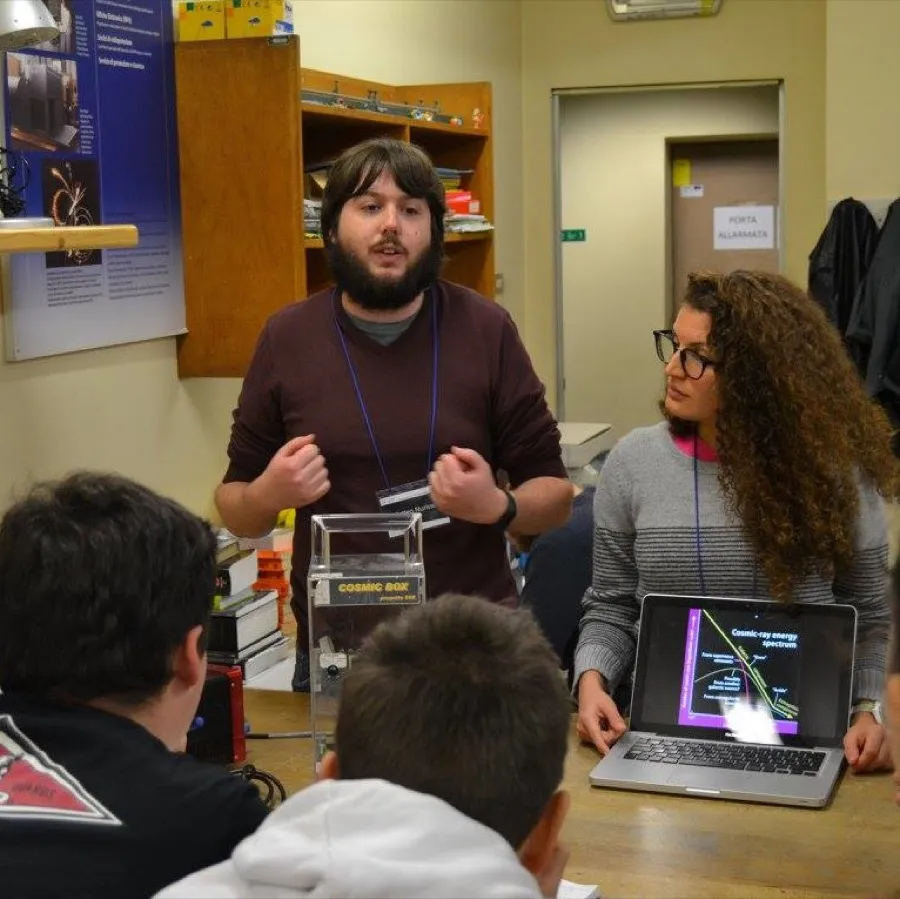
            Since my MS I started doing outreach as a volunteer in the AISF association and as a collaborator in the University of Turin. In SISSA I continued my outreach activities and I had, thanks to the SISSA Medialab, the possibility to take introductory classes in Science Communication.

            Matteo Nurisso explaining cosmic-ray physics to students during an outreach activity, with a cosmic-ray detector and a laptop on the table.

            Training

            Courses on Science Communication

            • 2022Social media management and Personal Branding
            • 2022Science Communication. The use of objects and easy experiments in face-to-face events
            • 2021Science Communication mini-course
            • 2019Training and Sharing. Best practices in Science Communication
            • 2019Science Dialogues. Training course in Science Communication

            Activities

            • 2022SISSA Student Day volunteer
            • 2020–22Trieste Next volunteer
            • 2018–21SISSA Student Day speaker
            • 2018–22SISSA4Schools volunteer
            • 2017–18Researcher's night volunteer
            • 2017ICPS volunteer

            Activism and Hobbies

            I've always felt the need to be active part of the society, with my work and during my free time. I started being a member of the Scout association since 2000. From 2013 to 2015 I have been Scoutmaster, being responsible for the activities and educations of kids in the primary school.

            Silviadizenzero

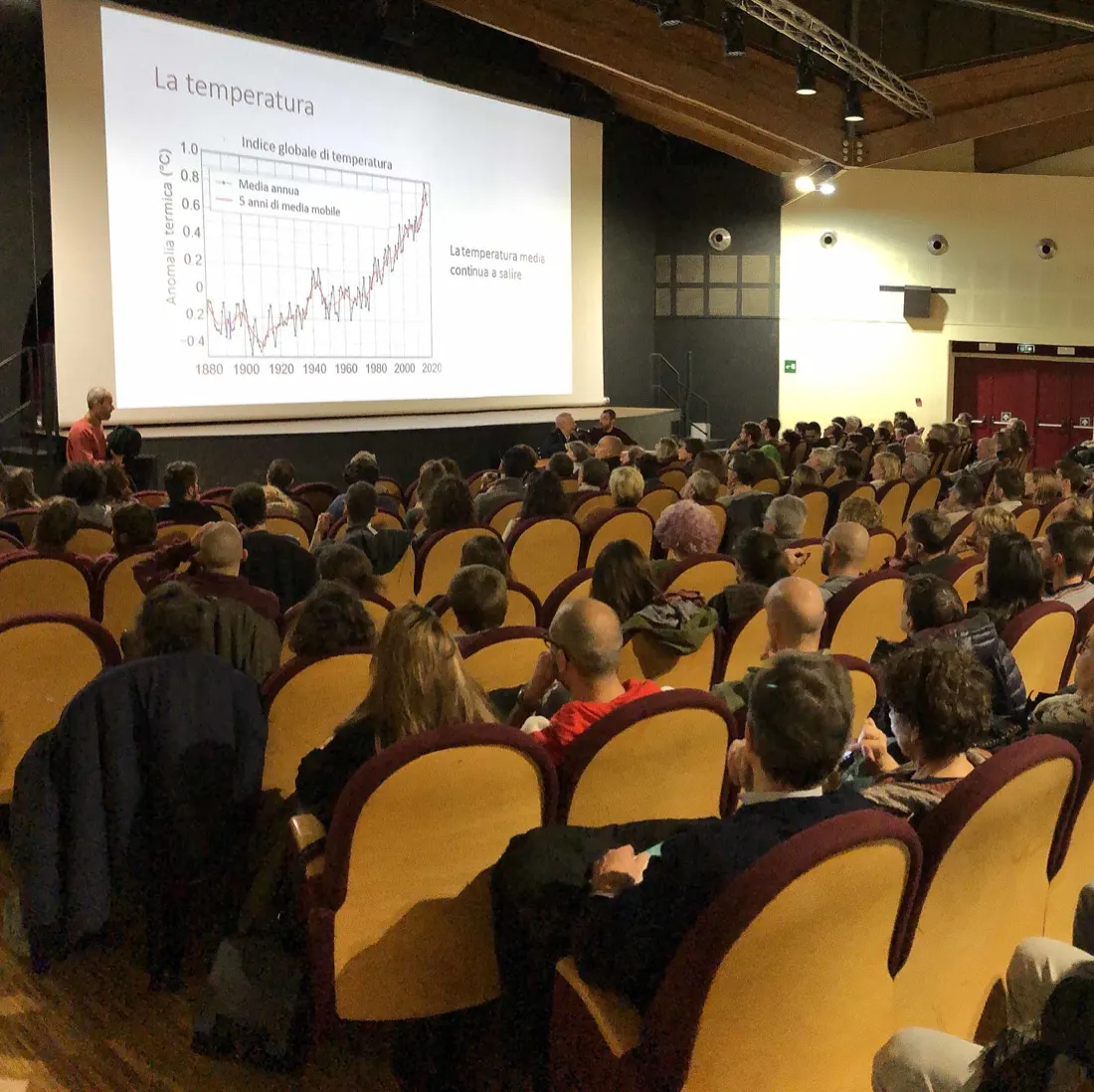
            Since 2013 I'm mostly involved in Silviadizenzero, an association whose primary goal are Climate Science popularization and spreading of Vegetarian Culture. Our main activities are the organization of workshops, meetings with experts, movie projections and collaborations with other associations in Italy. The main goal is to spread scientific culture about climate change and what can be done by individuals both with everyday decisions and lobbying.

            1. 2018 Vice-president of the association.
            2. 2019 A festival dedicated to all the different arts, called Ginger Fest, is organized by Silviadizenzero.
            3. 2021 We start collaborating with a regional radio, Radio Dora, creating and presenting a weekly live content on climate change awareness.
            4. 2023 The association celebrates its 10th anniversary.
            5. 2024 President of the association.

            Silviadizenzero website Silviadizenzero Instagram Ginger Fest Instagram

            A packed theatre audience watching a Silviadizenzero talk on global temperature anomalies.

            Let's talk

            Get in touch

            Collaborations on climate model evaluation, scientific software or outreach — I'm happy to hear from you.

            esc

            ↑↓ navigate · ↵ select